

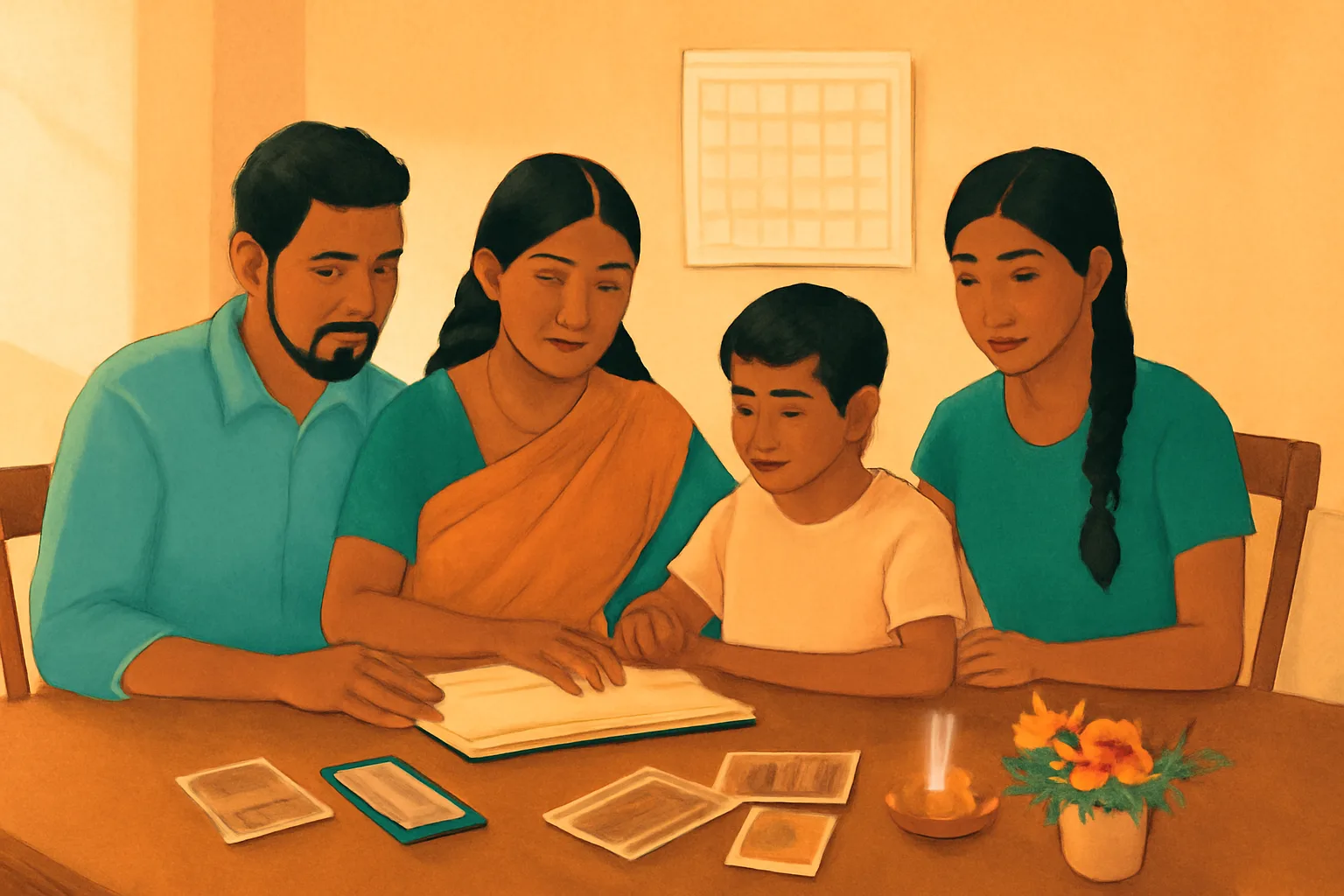
Which Dates Belong on the List?
Begin with the dates everyone expects to see: birthdays, wedding anniversaries, naming ceremonies, graduations, house moves, engagements, new jobs and retirements. Add the dates that mark a family milestone, such as a child starting school, a first home purchase or the arrival of a new baby. These occasions don’t need grand celebrations. A call, card or favourite meal may be exactly right.
Then look for the quieter firsts and turning points. Perhaps two relatives first met at a railway station, someone started their first job, or the family moved from one city or country to another. You might include a recovery milestone, the date a family tradition began, or the first festival celebrated in a new home. For remembrance days, ask how each person would like to mark the occasion: with prayer, food, silence, a visit, a message or no formal ritual at all.
One useful question makes the list personal: “Which date do you never want us to forget?” Ask every family member, including children and older relatives. Their answers may surprise you. One person may choose a wedding anniversary; another may name the day a grandparent taught them to cook. The list should reflect your family’s story, not just official occasions.
Why Important Family Dates Matter
Remembering a date tells someone, “Your life and our shared story matter to us.” That message can land deeply even when the gesture is small. A short note sent on time may mean more than an elaborate plan that feels rushed or impersonal. Dates give us a natural reason to pause, notice one another and say the thing we might otherwise keep postponing.
They also connect generations. A grandmother’s anniversary, a child’s first festival or the date a family arrived in a new city can become part of the family’s shared history. Imagine sending a message on the anniversary of a parent’s first business: “Today marks the day you took that brave first step. We still benefit from the courage and care you put into building it.” That one message might preserve a story the children had never heard.
Not every date feels happy. A birthday after a loss, an anniversary after separation or a difficult change can bring mixed feelings. Remembering should offer choice, not pressure. Ask, “Would you like us to mention this date, call you, visit, or give you space?” Respecting the answer is part of caring.
Build One Shared Family Calendar
Choose one place that your family can actually access. A shared Google Calendar works well for relatives who use phones, while a printed yearly planner or wall calendar may be better for someone who prefers paper. A family WhatsApp group note can work for a smaller group. The best system is not the most impressive one; it is the one people will check and update.
Use simple categories or colours, such as birthdays, anniversaries, remembrance days, religious or cultural festivals, and family firsts. Alongside each date, record whose date it is, how they prefer to be remembered and any useful details. These might include a time zone, dietary needs, a preferred language, or whether a call feels better than a party.
Set reminders according to the amount of planning needed. One month ahead gives you time for travel or gifts, one week helps with messages and arrangements, and a reminder on the morning of the occasion prevents the small but painful “I meant to call” moment. If your family observes public or cultural occasions too, add only the ones that matter to your household. For example, you could note Diwali on Sunday, 8 November 2026, or Bhai Dooj on Wednesday, 11 November 2026, alongside personal dates.
Make the Calendar Shared and Safe
Invite relatives to add dates themselves, especially dates connected to their identity, faith, marriage, health, work or personal milestones. This prevents one person from becoming the family’s unpaid memory keeper. It also lets each person describe what the date means and how they would like it handled.
Privacy deserves a place in the process. Check before sharing sensitive dates in a group, including remembrance days, adoption or birth details, medical milestones and occasions someone may not want discussed publicly. A private note or one-to-one reminder may be kinder than a cheerful group message. Consent matters more than a perfectly complete calendar.
Review the calendar once or twice a year. Correct dates, remove outdated reminders and ask if anyone’s preferences have changed. Families spread across India and other countries should add the relevant time zone. Also note when an occasion follows a lunar, regional or local calendar. Some festival dates can shift, so check a trusted calendar before sending invitations or making travel plans. For instance, Guru Nanak Jayanti is listed as Tuesday, 24 November 2026, but may shift by a day.
Choose a Ritual That Fits the Date
Let the gesture match the person and the occasion. A video call can bring a faraway relative into a birthday. A favourite meal may suit an anniversary better than a gift. Flowers or a quiet visit may feel right for remembrance, while a family story shared over tea can honour a long marriage. The point isn’t to perform the perfect ritual; it is to choose something that feels recognisably theirs.
Keep rituals repeatable and affordable. You could light a diya or candle where appropriate, cook one meaningful dish, look through old photographs, play a loved one’s favourite song or take an annual family photo. For family firsts, write down what changed that year. Ask children what they remember about their first school day, trip or festival, and keep their answers in their own words.
Leave room for different beliefs and comfort levels. One person may want a joyful gathering, another may prefer a reflective walk, and someone else may want the date to pass quietly. A ritual can be public, private, shared, adapted or skipped when the date feels too tender. Flexibility keeps remembrance caring instead of demanding.
Write a Message That Feels Personal
A personal message can follow a simple structure: name the date, say what it represents, mention one specific memory and offer a warm wish or your presence for the year ahead. Specific details make even a short message feel written for one person. Instead of “Have a great day,” try, “I still remember how proudly you showed us around your first home.”
For a birthday, you could write: “Happy birthday, [Name]. I still remember [specific memory], and I’m grateful for the way you [quality or contribution]. Wishing you a year full of [personal wish].” Add a detail only your family would know, such as a shared joke, favourite dish or an old journey. Birthday Cards and Birthday Captions can help when you need a starting point, but your own memory is what makes the message yours.
For an anniversary, try: “On your [number] anniversary, we’re celebrating not only the date but the home, laughter and strength you’ve built together. Sending you both love today.” For remembrance, a gentle message may be better: “Thinking of [Name] today. I remember [small detail or story], and I’m holding that memory close. Sending love to everyone who misses them.” Don’t force brightness into a message that calls for tenderness.
Turn Dates into a Family Memory Book
Keep one shared notebook, digital album or private folder for messages, photographs, recipes, voice notes and short stories connected to important dates. It doesn’t need to look polished. A photograph of an anniversary lunch, a child’s drawing from their first festival or a voice note from a relative abroad can become meaningful later.
After each occasion, add three details: what happened, who was there and what the family wants to remember next year. This small habit gives photographs context and helps future family members understand more than just faces. Write down where a photograph was taken, who is pictured and why the day mattered.
Invite different generations to contribute in their own way. Children can draw, elders can record a story, and relatives abroad can send a video or voice message. A family memory book doesn’t have to flatten everyone into the same style. The variety is part of the family’s character.
Start Small This Month
Set aside 20 minutes to list the next three months of birthdays, anniversaries, remembrance days and family firsts. Don’t wait until the calendar is complete. Add the dates you know, ask one relative for the gaps and improve the list as you go. If you need words for an upcoming occasion, FreeWishes’ reminders and wish writer can help you prepare without losing your personal touch.
Choose one date and plan one meaningful action: send a specific message, make a call, cook a favourite dish or ask someone to share a story. At the end of the year, ask, “Which moments helped us feel connected?” Keep those rituals and let the rest change. The best family calendar isn’t the fullest one. It’s the one that helps people feel remembered when the date arrives.