

1. Choose the Party Style and Guest List
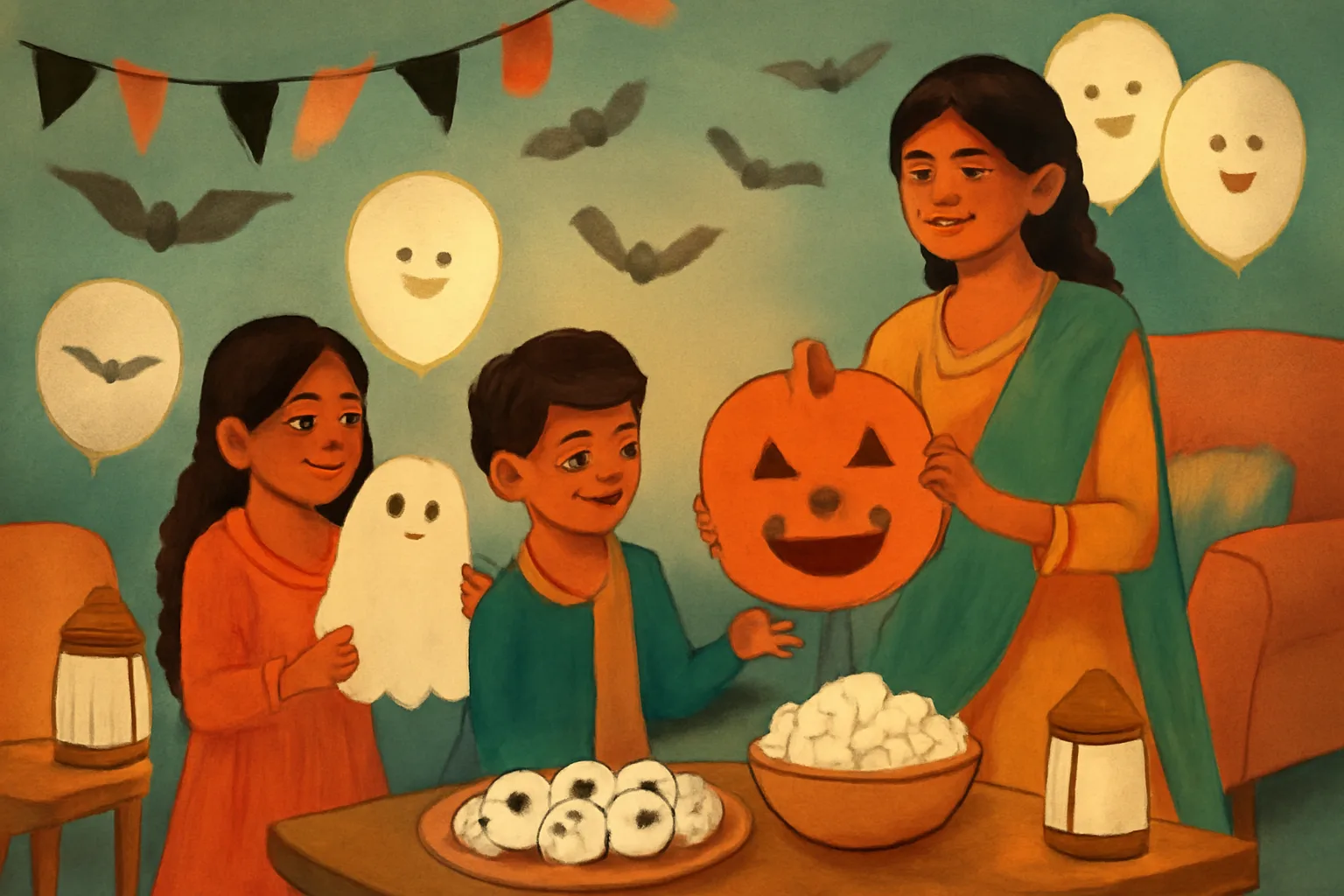
Start with the people, not the decorations. A party for toddlers will need bright rooms, short games and silly ghosts, while older children may enjoy clues, mystery boxes and a dimly lit corner. An adults-only gathering can handle more dramatic storytelling, but a mixed family-and-friends group works best when every scare is optional.
Choose a simple format before you send the invitation. You could host a 60-90 minute children's party, plan a cosy family movie night, or organise a potluck with games and trick-or-treating between rooms. For Halloween on Saturday, 31 October 2026, an early evening plan can work well for families, especially in apartment communities where younger children may have an earlier bedtime.
Set expectations clearly: costumes are optional, homemade outfits are welcome, and guests should mention food allergies or dietary needs. A ready-to-send WhatsApp invitation could say: "Halloween party at our home on Saturday, 31 October, from 5:30 to 7:00 pm. Come in black, orange, purple or white, or wear any homemade costume you like. Address: [address]. Come for silly scares, snacks and games, no fancy costume needed. Please tell us about any food allergies or dietary needs."
2. Make Easy Costumes at Home
A good costume doesn't need a shopping trip. A bedsheet can become a friendly ghost, while a black outfit with paper bats pinned to a hairband or scarf can suggest a witch or wizard. Cardboard goggles, a shirt worn backwards and a notebook labelled "Monster Experiments" make a cheerful mad scientist. For a friendly vampire, try a kurta, a little face paint and a homemade paper collar rather than uncomfortable plastic teeth.
If costumes feel like too much work, use a no-cost spooky colour dress code: black, orange, purple or white. It gives the group a shared look without making anyone feel awkward for arriving in regular clothes. Children can also add one small detail, such as a paper moon, a scarf, a sticker or a drawn-on whisker.
Set up a five-minute costume station with dupattas, sunglasses, scarves, paper crowns, old hats and safe face stickers. Let guests mix and match their look after they arrive. Around toddlers, skip small loose pieces that could be put in mouths, and keep the station supervised.
Comfort and safety matter more than realism. Avoid masks that block vision, trailing fabric near candles and makeup that feels heavy or irritating, especially during warm October weather. Battery lights and face stickers are much easier to manage than anything that needs heat, sharp pins or complicated fixing.
3. Decorate with Paper, Lights and Reused Things
You don't have to transform the whole home. Choose three areas: the entrance, the game space and the snack table. A few clear visual touches in these spots will make the party feel special while leaving enough room for children to move safely.
For the entrance, cut bats from old newspapers or delivery paper and tape them in a flying pattern. Hang orange-and-black bunting across a doorway, add cotton cobwebs to a shelf and draw ghost faces on white balloons. Battery tealights inside clean glass jars can make gentle lanterns, while reusable fairy lights add a warm glow without open flames.
Give the decorations a local, homemade feel instead of trying to copy a film set. Use rangoli colours for paper shapes, marigold-style paper flowers around the snack table, cardboard boxes as pretend haunted houses and old dupattas as colourful backdrops. Halloween can sit comfortably alongside the creative habits and materials already found in Indian homes.
Before guests arrive, clear walkways, tape down wires and move breakable objects away from the game area. Keep real flames away from children, fabric and paper. If you live in an apartment or housing society, check the rules about noise, balloons, tape and decorations in shared spaces.
4. Plan Games for Different Ages
Younger children usually enjoy movement and discovery more than suspense. Hide paper pumpkins around one room for a treasure hunt, play "pin the spider on the web" with a soft blindfold or let everyone join a freeze dance with cheerful spooky music. A monster version of Simon Says. "Monster says stomp," "Monster says wiggle," then a few silly tricks, keeps the mood playful.
Older children and adults can try a mystery-feel box filled with safe objects such as cooked pasta, cotton balls, a peeled orange or a soft toy. A clue trail around the home, Halloween charades or a "design the funniest monster" challenge can fill the evening without needing special equipment.
For a simple four-clue trail, start with: "Your first clue is where shoes wait for an adventure." Place the next clue near the shoe rack, leading to "Find the place where cold snacks sleep." The refrigerator clue can point to "Look beneath the table where everyone gathers," followed by a final clue near the dining table: "Your shared treat is waiting where the spoons take a rest." Keep every location familiar, dry and free of fragile objects.
Not every child enjoys suspense, noise or competition. Set up a quiet corner with colouring sheets, stickers, paper crowns and a short story. Children can watch a game before joining, take a break whenever they want or choose a calm activity for the whole evening.
5. Serve Indian-Friendly Halloween Snacks
Build the snack table around familiar foods with playful names and shapes. Idlis can become "eyeballs" with small vegetable details, fruit cups can be "monster bowls," samosas can be "witch pockets," popcorn can be "ghost clouds" and chocolate biscuit dessert cups can look like "dirt cups." These names do much of the Halloween work; the food itself can stay comforting and recognisable.
Offer a balance of sweet and savoury dishes, with vegetarian, egg-free and nut-free choices where needed. Label each dish clearly, including common allergens, so guests can make their own choices. Keep one or two plain options available for children who prefer familiar food over themed snacks.
Easy decoration is better than complicated recipes. Add edible eyes to a sandwich or idli, serve tomato dip as "blood," arrange orange-coloured fruit in a pumpkin shape and use black olives for small spider designs. Cookie cutters can turn sandwiches into bats, moons or stars, while little paper flags can give ordinary snacks a party name.
Prepare most food beforehand and keep messy sauces away from costumes. Put napkins within easy reach and serve water alongside fizzy or sugary drinks. If food will sit out, plan sensible serving times and store leftovers promptly rather than letting the snack table become a forgotten prop after the games.
6. Add Age-Appropriate Spooky Moments
For toddlers and younger children, choose friendly ghosts, silly monster voices, glow sticks and a cheerful story. Bright rooms and funny sounds are usually a better fit than jump scares, complete darkness or frightening masks. A host hiding behind a curtain and saying, "Boo, did you bring a snack for the monster?" is enough theatrical drama for many little guests.
For older children, create a small haunted corner with dim battery lights, sound effects and a short optional story. Tell them what will happen before the scare begins, and let them decide if they want to enter. The mystery can come from a covered box, a shadow puppet or a strange sound rather than anything graphic.
Make every scare consent-based. Guests can choose a "spooky" route or a "not spooky" route, and nobody should be chased, grabbed or locked in a room. Give children a clear way to leave the game, and respect a no without asking them to explain it.
Skip unsafe props, realistic weapons, horror imagery and anything that might distress children, older relatives or guests with different comfort levels. A Halloween party should feel playful, not like a test of bravery. If one person wants a quiet evening, the plan should have room for that.
7. Finish with a Small Ritual
End with something everyone can enjoy, such as a group photo or a few light-hearted awards. "Most Creative," "Best Homemade Idea," "Funniest Monster" and "Best Team Spirit" celebrate effort rather than expensive costumes. Treat bags can be made from paper envelopes, small cloth pouches or reused gift bags.
For a memorable family ritual, ask everyone to write one funny fear on a piece of paper and turn it into a silly monster. Someone afraid of losing a sock might invent the Great Sock Snatcher; someone who dislikes coriander might create the Green Sprig Goblin. Alternatively, each person can share one good thing from the evening before the party lights are switched off.
After guests leave, collect small props, remove tape and check the rooms for food left at room temperature. Message parents or guests with photos if that feels appropriate, especially before sharing any children's pictures more widely. A short thank-you note can be as simple as, "Thanks for bringing your spooky energy and your excellent snack appetite!"
The best Halloween party ideas at home in India aren't about perfect costumes or imported traditions. They're about taking an ordinary evening, adding paper bats, shared snacks and a few silly surprises, and making everyone feel welcome.