

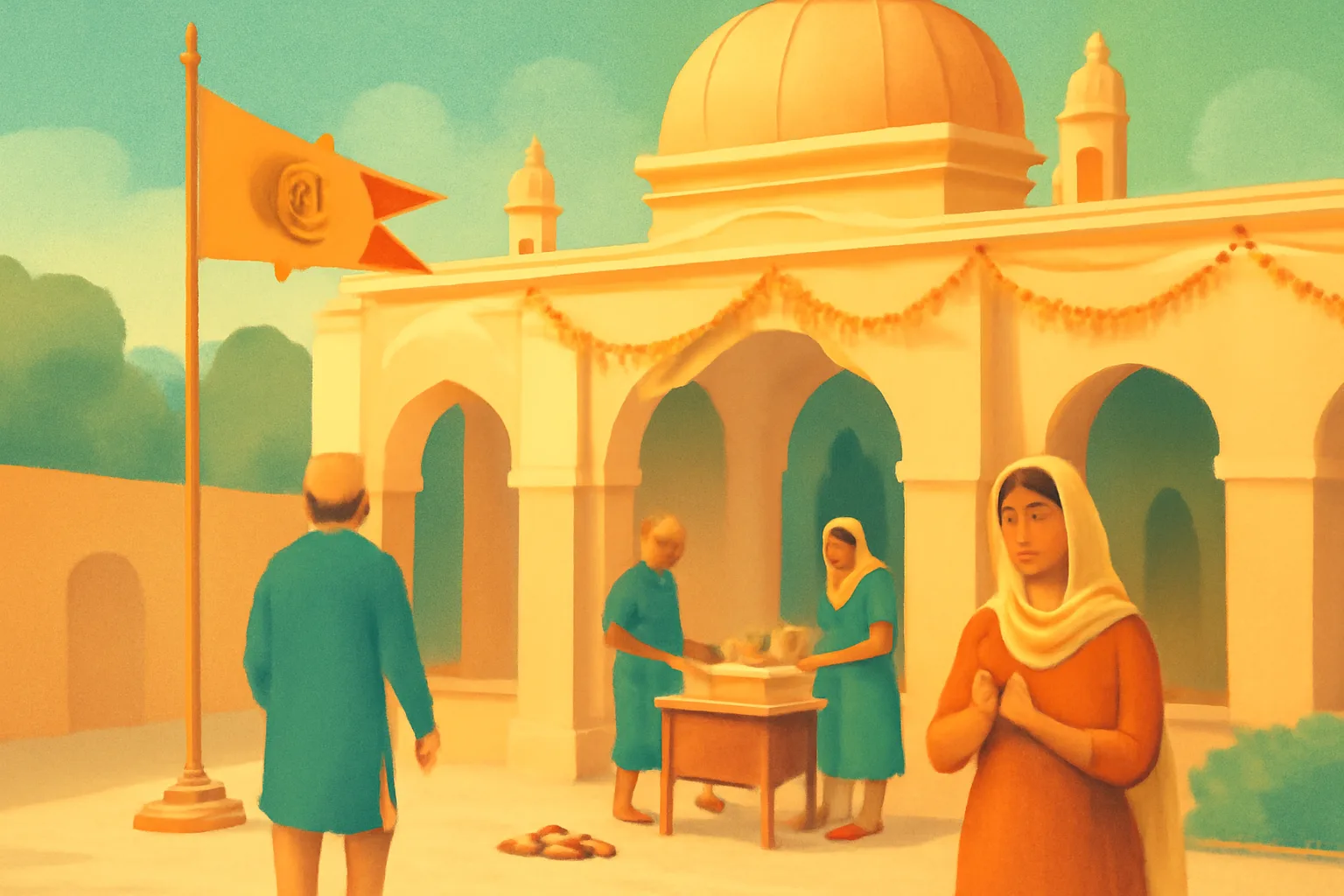
Guru Nanak Jayanti at a Glance
Guru Nanak Jayanti commemorates the birth of Guru Nanak Dev Ji, the first Sikh Guru and the founder of Sikhism. It is also known as Guru Nanak Gurpurab or Prakash Purab. For Sikh families and communities, it is a deeply meaningful occasion centred on prayer, singing, learning, remembrance and helping others. ([new.sgpc.net](https://new.sgpc.net/gurpurbs/?utm_source=openai))
The festival follows the Sikh calendar and usually falls on Kartik Purnima, the full moon in the month of Kartik, which generally arrives in October or November. In 2026, Guru Nanak Jayanti is observed on Tuesday, 24 November, though local observances may shift by a day. Since programmes can run across several days, check the current year's calendar or your local gurdwara announcement for the exact date and timings. ([new.sgpc.net](https://new.sgpc.net/gurpurbs/?utm_source=openai))
Celebrations welcome Sikh families, visitors and anyone who wishes to learn or participate respectfully. You don't need to know every prayer or custom before entering a gurdwara. A calm manner, modest dress and willingness to follow local guidance are a good start.
Guru Nanak Jayanti Meaning and Traditions
At the heart of Guru Nanak Dev Ji's teachings are remembrance of the One God, honest work and sharing with others. These ideas are often expressed through the three principles Naam Japo, Kirat Karo and Vand Chakko: remember God, earn honestly and share what you have. His message also challenged discrimination, empty ritual and social divisions that treated some people as less worthy than others. ([sikhcoalition.org](https://www.sikhcoalition.org/get-involved/resources-for-educators/middle-high-school-resources/sikh-house-worship/?utm_source=openai))
That is why seva, or selfless service, matters so much during Gurpurab. Seva can mean helping prepare food, washing dishes, welcoming visitors, cleaning a space or quietly supporting someone who needs help. It isn't just a task to complete; it is a practical way to put humility, equality and care for others into action. Sikh teachings connect spiritual life with truthful living and service to humanity. ([sikhcoalition.org](https://www.sikhcoalition.org/about-sikhs/beliefs/?utm_source=openai))
You may notice these values in the shape of the celebration: people praying together, sharing a meal side by side, singing hymns and making space for visitors. Details can vary between gurdwaras and communities, so one neighbourhood may have a large procession while another keeps the programme smaller and more focused on kirtan and langar.
How the Celebration Begins
In some communities, the observance begins with a Prabhat Pheri, an early-morning devotional procession through the neighbourhood. Participants walk together while singing hymns and offering prayers, bringing the spirit of Gurpurab into the streets before the main programme begins. The timing, route and scale depend on the local gurdwara. ([new.sgpc.net](https://new.sgpc.net/gurpurbs/?utm_source=openai))
Another important practice is the Akhand Path, a continuous reading of the Guru Granth Sahib. It may begin before Gurpurab and conclude around the main celebration. The reading is held with care and devotion, and visitors should remain quiet and follow the instructions of the organisers if they enter during the recitation. ([new.sgpc.net](https://new.sgpc.net/gurpurbs/?utm_source=openai))
Kirtan is devotional singing and recitation of hymns from the Guru Granth Sahib, often accompanied by traditional instruments. Depending on the gurdwara, the programme may also include talks, poetry, children's activities, historical presentations and a Nagar Kirtan, a community procession featuring singing and collective participation. ([worldsikh.org](https://www.worldsikh.org/gurdwara_lqzhx0md6bd_piyu3cyh_ryxweu?utm_source=openai))
What Happens at a Gurdwara Visit
Before you go, check the gurdwara's timings and any programme announcements. Wear modest, comfortable clothing, remove your shoes at the entrance, wash your hands and cover your head with a scarf, rumal or head covering. Enter the prayer hall quietly and allow the people around you to continue their prayers without interruption. These simple steps are standard signs of respect for visitors. ([sikhcoalition.org](https://www.sikhcoalition.org/wp-content/uploads/2025/04/Guide-to-Visiting-a-Gurdwara-2025.pdf?utm_source=openai))
The Guru Granth Sahib is at the centre of the prayer hall. Some visitors bow before it, while others sit respectfully without bowing. If you're not comfortable with a particular act, you should not feel pressured to perform it. You can quietly follow the congregation, listen to the kirtan and learn by observing. ([worldsikh.org](https://www.worldsikh.org/gurdwara_lqzhx0md6bd_piyu3cyh_ryxweu?utm_source=openai))
People generally sit on the floor together in the prayer hall, with men and women sharing the same space. Some gurdwaras arrange seating in separate sections for cultural or practical reasons, while others have mixed seating. Both arrangements can be found, and the important point is that everyone is welcomed as part of the sangat, or congregation. If sitting on the floor is difficult, ask about alternative seating. ([worldsikh.org](https://www.worldsikh.org/gurdwara_lqzhx0md6bd_piyu3cyh_ryxweu?utm_source=openai))
Keep your phone silent and don't photograph people, the scripture or ceremonies without permission. Follow signs and instructions from volunteers, especially during busy programmes. If you're unsure where to go, a volunteer or sevadaar will usually be happy to guide you.
Langar: The Meal Everyone Shares
Langar is the free community meal served to everyone at a gurdwara, regardless of religion, caste, gender, income or background. Food is prepared and served by volunteers, making langar an expression of hospitality and equality rather than simply a meal after prayers. Everyone sits at the same level and shares in the same community space. ([sikhcoalition.org](https://www.sikhcoalition.org/about-sikhs/faq/?utm_source=openai))
Common foods may include dal, roti, sabzi, rice, kheer or karah prasad, but menus differ by gurdwara, region and the occasion. If you have allergies or dietary restrictions, ask a volunteer what is being served. It is perfectly fine to accept only what you can eat and to politely decline anything you cannot. ([sikhcoalition.org](https://www.sikhcoalition.org/wp-content/uploads/2025/04/Guide-to-Visiting-a-Gurdwara-2025.pdf?utm_source=openai))
Visitors can participate by sitting in the pangat, the line or gathering of people eating together. Take a sensible portion, avoid wasting food and wait patiently if servers are moving through the rows. If you would like to help, ask if seva is available in the kitchen, dining area or washing-up section. You may be invited to serve food, wash dishes, prepare ingredients or tidy the space. ([sikhcoalition.org](https://www.sikhcoalition.org/wp-content/uploads/2016/12/Gurdwara-Open-House-Toolkit-2025.pdf?utm_source=openai))
Langar isn't a restaurant experience or a festival buffet. Its meaning lies in equality, sharing and service. Sitting beside people from different backgrounds, receiving the same food and helping without seeking special status are all part of what makes langar so powerful.
Respectful Gurdwara Etiquette
A quick guide is simple: cover your head, dress respectfully, remove your shoes, wash your hands, keep your phone silent and leave alcohol, tobacco and other intoxicants outside the premises. Don't bring shoes into the prayer or dining areas. These customs help protect the cleanliness and dignity of shared spaces. ([worldsikh.org](https://www.worldsikh.org/gurdwara_lqzhx0md6bd_piyu3cyh_ryxweu?utm_source=openai))
While seated, avoid pointing your feet towards the Guru Granth Sahib. Don't step over food, prayer items or people sitting in the hall. If you need to move, do so carefully and quietly. You may see people stand during Ardas, the congregational prayer, so follow the room when you can and ask a volunteer if you're uncertain. ([sikhcoalition.org](https://www.sikhcoalition.org/wp-content/uploads/2018/08/Sikhism-educator-guide.pdf?utm_source=openai))
Karah prasad is a sweet offering distributed after prayers. It is traditionally received respectfully with both hands. If you wish to accept it, take a small portion and eat it mindfully; if you cannot or do not want to, it is acceptable to decline politely. Food sensitivities are a valid reason to ask for less or say no. ([worldsikh.org](https://www.worldsikh.org/gurdwara_lqzhx0md6bd_piyu3cyh_ryxweu?utm_source=openai))
Quiet questions are more respectful than guessing. Ask a sevadaar where to sit, how to join langar or what to do during a ceremony. Gurdwaras are open to visitors, and people are generally glad to help someone who is making a sincere effort to understand.
What to Say: Greetings and Messages
The standard greeting is "Gurpurab di lakh lakh vadhaiyan!" It means warm congratulations and best wishes on Gurpurab. You can also say, "Guru Nanak Jayanti di lakh lakh vadhaiyan!" Both are suitable greetings, especially when speaking with someone who celebrates the occasion. "Happy Guru Nanak Jayanti" is also commonly understood, while "Gurpurab" can sound especially natural in many Sikh communities.
For a family member or Sikh friend, try: "Gurpurab di lakh lakh vadhaiyan! May this beautiful day bring peace, joy and togetherness to your family." Another option is: "Wishing you a meaningful Gurpurab filled with kirtan, seva and the warmth of community." Keep the message sincere rather than trying to sound overly formal.
For a non-Sikh friend, you could write: "Wishing you and your family a meaningful Guru Nanak Jayanti filled with peace, seva and togetherness." It acknowledges the occasion respectfully without assuming that you share the same religious practice.
For WhatsApp, keep it short: "Happy Gurpurab! May Guru Nanak Dev Ji's teachings of equality, kindness and honest living guide us always." You can pair it with a warm family photo, a simple Festival Captions post or a message from your Festival & Holiday Cards collection if that suits the person you're greeting.
Join the Spirit of Gurpurab
You can observe the spirit of Guru Nanak Jayanti in small, practical ways. Share a meal, volunteer your time, donate thoughtfully, learn about Guru Nanak Dev Ji's teachings or help someone without seeking credit. A simple act of service can carry the day's message further than a perfectly worded post. ([sikhcoalition.org](https://www.sikhcoalition.org/get-involved/resources-for-educators/middle-high-school-resources/sikh-house-worship/?utm_source=openai))
If you plan to attend, your local gurdwara's announcement will have the most useful details about timings, Prabhat Pheri routes, Nagar Kirtan arrangements and langar. FreeWishes' festival calendar can also help you keep important dates in view, especially when the programme runs over more than one day.
You may visit a gurdwara, join a Nagar Kirtan or send a simple greeting from home. The heart of Gurpurab is remembering equality, living honestly and sharing with others, with humility, warmth and no need for applause.